


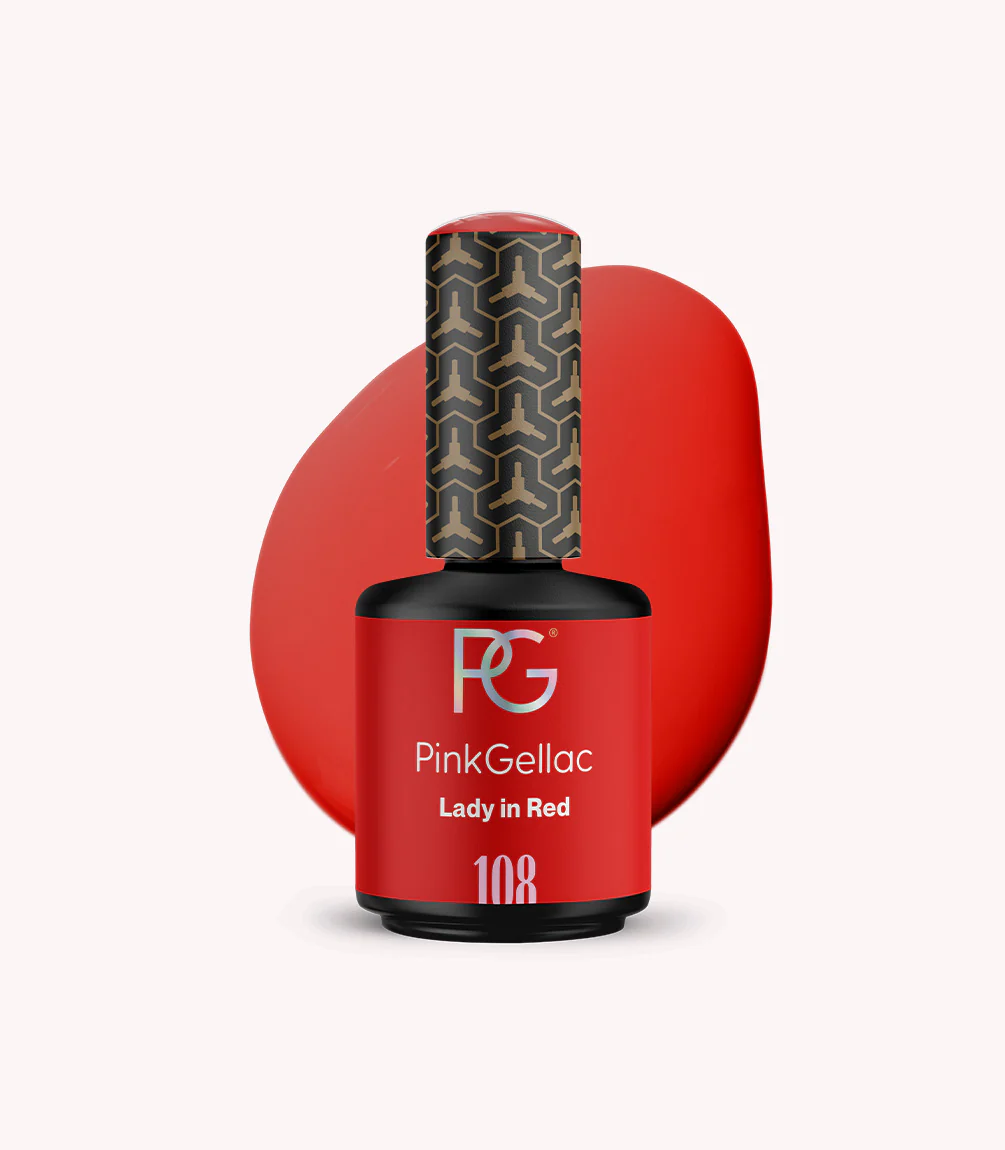
 prižiūrėtojos ir motinos, kurios savo rankomis kurdavo namų šilumą. Raudona spalva, 001 Šnabždanti balta šių moterų veidą, drabužius ar net karoliukus, tapo simboliu: ne tik ryškia išvaizda, bet ir stipriu charakteriu.
Cikle atsiskleidžia ir moters santykis su gamta – ji džiaugiasi pavasario žiedais, kartu su saule kyla anksti ryte. Šios dainos primena, kad lietuvių tautos tapatybėje moters garbė ir grožis visuomet buvo vienas svarbiausių ramstis.
---
**Vertimas (anglų kalba, užklausos tikslais):**
*108 Women in Red*
Since ancient times, red color in Lithuanian culture symbolized life force, feminine maturity and community unity. This meaning is reflected in the cycle of 108 folk songs *Woman in Red*, which immortalizes village women – their work, wisdom and inner beauty.
The songs mention weavers, caregivers and mothers who created home warmth with their own hands. The red color, depicting these women’s faces, clothes or even beads, became a symbol: not only bright appearance, but also strong character.
The cycle also reveals a woman’s relationship with nature – she rejoices in spring flowers, rises early with the sun. These songs remind that in Lithuanian national identity, woman’s honor and beauty have always been one of the most important pillars.
108 Moteris raudonai
2026-10-29 05:44:13
**108 Moteris raudonai**
Nuo seniausių laikų raudona spalva lietuvių kultūroje reiškė gyvybės jėgą, moterišką brandą ir bendruomenės vienybę. Šią prasmę atspindi 108 liaudies dainų ciklas *Moteris raudonai*, kuriame įamžinamos kaimo moterys – jų darbai, išmintis ir vidinis grožis.
Dainose minimos 108 Moteris raudonai prižiūrėtojos ir motinos, kurios savo rankomis kurdavo namų šilumą. Raudona spalva, 001 Šnabždanti balta šių moterų veidą, drabužius ar net karoliukus, tapo simboliu: ne tik ryškia išvaizda, bet ir stipriu charakteriu.
Cikle atsiskleidžia ir moters santykis su gamta – ji džiaugiasi pavasario žiedais, kartu su saule kyla anksti ryte. Šios dainos primena, kad lietuvių tautos tapatybėje moters garbė ir grožis visuomet buvo vienas svarbiausių ramstis.
---
**Vertimas (anglų kalba, užklausos tikslais):**
*108 Women in Red*
Since ancient times, red color in Lithuanian culture symbolized life force, feminine maturity and community unity. This meaning is reflected in the cycle of 108 folk songs *Woman in Red*, which immortalizes village women – their work, wisdom and inner beauty.
The songs mention weavers, caregivers and mothers who created home warmth with their own hands. The red color, depicting these women’s faces, clothes or even beads, became a symbol: not only bright appearance, but also strong character.
The cycle also reveals a woman’s relationship with nature – she rejoices in spring flowers, rises early with the sun. These songs remind that in Lithuanian national identity, woman’s honor and beauty have always been one of the most important pillars.
prižiūrėtojos ir motinos, kurios savo rankomis kurdavo namų šilumą. Raudona spalva, 001 Šnabždanti balta šių moterų veidą, drabužius ar net karoliukus, tapo simboliu: ne tik ryškia išvaizda, bet ir stipriu charakteriu.
Cikle atsiskleidžia ir moters santykis su gamta – ji džiaugiasi pavasario žiedais, kartu su saule kyla anksti ryte. Šios dainos primena, kad lietuvių tautos tapatybėje moters garbė ir grožis visuomet buvo vienas svarbiausių ramstis.
---
**Vertimas (anglų kalba, užklausos tikslais):**
*108 Women in Red*
Since ancient times, red color in Lithuanian culture symbolized life force, feminine maturity and community unity. This meaning is reflected in the cycle of 108 folk songs *Woman in Red*, which immortalizes village women – their work, wisdom and inner beauty.
The songs mention weavers, caregivers and mothers who created home warmth with their own hands. The red color, depicting these women’s faces, clothes or even beads, became a symbol: not only bright appearance, but also strong character.
The cycle also reveals a woman’s relationship with nature – she rejoices in spring flowers, rises early with the sun. These songs remind that in Lithuanian national identity, woman’s honor and beauty have always been one of the most important pillars.
Komentaras